Gas Safety & Carbon Monoxide Prevention for Sydney Homes
Every year in Australia, carbon monoxide poisoning kills more than 25 people and sends hundreds to hospital. The tragedy? Nearly every single case is preventable with proper gas appliance maintenance and carbon monoxide detectors.
Carbon monoxide is called "the silent killer" for good reason. It's completely colourless, odourless and tasteless. You can't see it, smell it or taste it. By the time you realise something's wrong, you may already be too incapacitated to help yourself or your family.
This isn't meant to scare you — it's meant to protect you. As we head into winter when gas heaters work overtime, understanding gas safety becomes critical for every Sydney household with gas appliances. In this guide you'll learn what carbon monoxide is, how it forms, the symptoms of poisoning, how to prevent it with proper maintenance, where to install detectors, and what to do in an emergency.
What is Carbon Monoxide & Why is it Dangerous?
The Science Behind the Silent Killer
Carbon monoxide (CO) is a toxic gas produced when carbon-based fuels burn without enough oxygen — what's called "incomplete combustion."
- Complete combustion (normal): Fuel + oxygen → carbon dioxide + water + heat
- Incomplete combustion (dangerous): Fuel + insufficient oxygen → carbon monoxide + heat
Common sources in homes: gas heaters, gas hot water systems, gas cooktops and ovens, gas fireplaces, BBQs used indoors (extremely dangerous), generators in enclosed spaces, and car exhaust in attached garages.
Why Carbon Monoxide is So Deadly
When you inhale CO, it binds to haemoglobin 200–250 times more readily than oxygen. Your blood carries CO instead of oxygen, your organs starve, and symptoms develop — from mild headaches to unconsciousness and death.
The danger timeline:
- 50 PPM: Headaches, fatigue within 6–8 hours
- 200 PPM: Confusion, dizziness within 2–3 hours
- 800 PPM: Unconsciousness in 45 minutes, death in 2–3 hours
- 1,600+ PPM: Death within minutes
How Gas Appliances Produce CO
When working correctly, gas appliances produce mostly harmless CO₂. Problems arise from poor ventilation (blocked flues, sealed rooms, obstructed air intakes) and faulty appliances (corroded burners, incorrect gas pressure, worn components, lack of maintenance).
Visible warning signs of incomplete combustion: yellow or orange flames (should be blue), soot or staining around appliances, pilot lights going out frequently, excessive condensation on windows, and weak or "lazy" flames.
Recognising Carbon Monoxide Poisoning Symptoms
Early Symptoms (Mild Exposure)
- Headache (often a "pressure" feeling)
- Dizziness or lightheadedness
- Nausea
- Tiredness or weakness
- Confusion or difficulty concentrating
- Shortness of breath during light activity
Key differences from flu: no fever, symptoms improve when away from the source, multiple family members affected at once, and pets may also show symptoms.
Moderate Symptoms (Significant Exposure)
Severe headache, vomiting, chest pain, rapid heartbeat, increased confusion, impaired vision, loss of coordination and extreme fatigue. At this stage you may not be thinking clearly enough to recognise the problem.
Severe Symptoms (Critical Exposure)
Unconsciousness, seizures, irregular heartbeat, respiratory failure and death. You can be exposed to lethal levels of CO while sleeping and never wake up — this is why bedroom CO detectors are crucial.
Higher-Risk Groups
Infants and young children, pregnant women, the elderly, and people with heart or lung disease are all more vulnerable. Pets — particularly cats and small dogs — often show symptoms before humans.
Common Sources of Carbon Monoxide in Homes
Gas Heaters (Most Common Source)
Portable/room heaters are the leading cause of residential CO poisoning, especially when used in bedrooms or unventilated rooms. Central ducted heating is generally safer but cracked heat exchangers can still leak CO into ducts. Wall-mounted heaters common in older Sydney homes need their flues kept clear and intact.
Winter is highest risk: heaters run constantly, windows stay closed, and a single skipped service can create dangerous conditions.
Gas Hot Water, Cooktops & Fireplaces
Internal gas hot water units rely on intact flues. Gas cooktops and ovens become dangerous when used to heat a room, when range hoods don't vent outside, or with extended use in poorly ventilated kitchens. Gas fireplaces require an unblocked flue and annual inspection.
Dangerous Practices — Never Do These
- ❌ Using a BBQ indoors or in a garage (even "just for a minute")
- ❌ Running a generator in a garage, basement or shed
- ❌ Idling a car in an attached garage
- ❌ Using camping stoves, lanterns or patio heaters indoors
- ❌ Heating your home with a gas oven
Every item above has killed people. Don't become a statistic.
How to Detect Carbon Monoxide
CO Detectors are Non-Negotiable
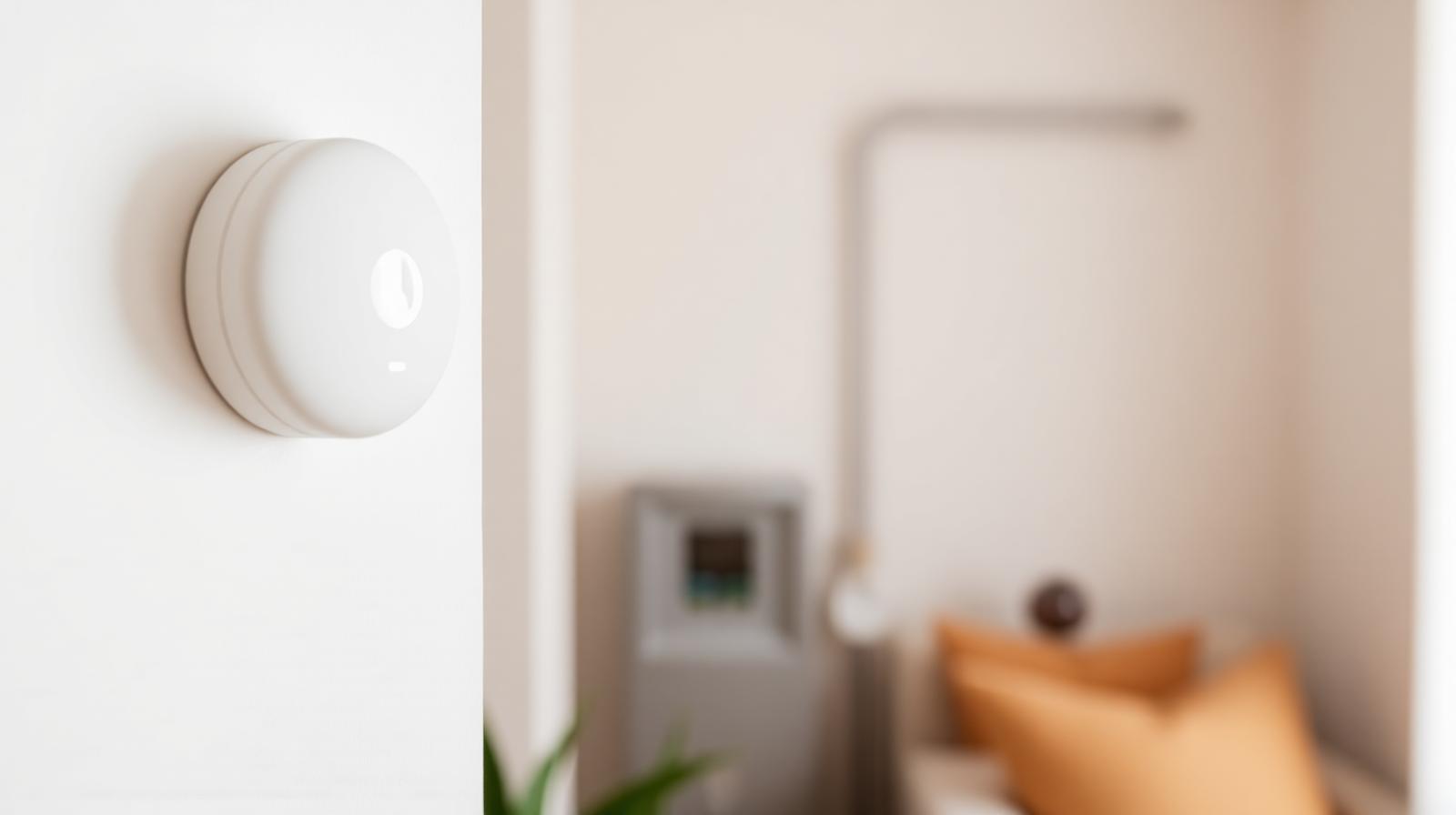
Since you can't see, smell or taste CO, detection requires equipment. CO detectors cost $30–$100 and are the only reliable way to be alerted before symptoms appear — especially while sleeping.
Types: battery-powered ($30–$60, easy DIY), mains-powered with battery backup ($70–$120 installed), or combination smoke/CO detectors ($80–$150). Look for compliance with Australian Standard AS3902.
Where to Install CO Detectors
- Within 3–5m of every bedroom — protects you while sleeping
- Same floor as gas heaters and hot water systems
- Every level of the home
- Wall-mounted at 1–1.5m — not on ceilings, not near windows, doors or vents
Minimum recommendations: 1-bedroom home — 2 detectors; 2–3 bedroom — 3 detectors; 4+ bedroom — 4 or more.
Testing & Maintenance
- Monthly: press the test button, confirm power light is on
- Annually: replace batteries, vacuum dust from sensor
- Every 5–7 years: replace the unit entirely (sensors degrade)
What to Do if a Detector Alarms
- Evacuate everyone (and pets) immediately — don't pause to "check if it's real"
- Call 000 from outside
- Call a licensed gas fitter: 0423 233 322
- Do NOT re-enter until cleared by professionals
- Seek medical attention — CO effects can be delayed; a blood test confirms exposure
Gas Appliance Safety Requirements
Annual Servicing — Non-Negotiable
In a single year, a heater can develop burner corrosion, flue blockage from bird nests or leaves, gas pressure changes, sensor degradation and even heat exchanger cracks. Annual servicing by a licensed gas fitter includes:
- Complete disassembly and cleaning
- Burner inspection and cleaning
- Flue integrity check
- Ventilation assessment
- Gas pressure testing
- Carbon monoxide testing
- Flame pattern verification
- Safety shutoff and thermocouple testing
- Reassembly and operational test
Cost: $180–$350. ROI: prevents $20,000+ in hospital bills — or worse.
Proper Ventilation
Ventilation provides oxygen for complete combustion and removes combustion products. Manufacturers specify minimum room volumes (portable heaters often require 120m³ minimum). Standard guidance is 10cm² of permanent ventilation per kW of heater capacity, and ventilation must never be blocked.
Flue requirements for internal heaters: correct diameter, proper angle, no blockages, secure connections, and termination away from windows or vents. Common issues include bird nests, leaf accumulation, corrosion and disconnected sections.
Installation Standards (AS/NZS 5601)
Licensed gas fitters must follow strict requirements for clearances from combustibles, proper fluing, gas connections, leak testing and pressure testing. Compliance certificates are required for new installations and relocations — and needed for property sales.
Practices That Have Killed People
- ❌ Using a BBQ indoors or in a garage
- ❌ Blocking heater vents "for efficiency"
- ❌ DIY gas repairs (illegal and deadly)
- ❌ Ignoring yellow flames
- ❌ Skipping annual servicing
- ❌ Heating a home with a gas oven
- ❌ Running a generator in a garage
Preventing CO Poisoning: Essential Steps
- Install CO detectors — one per level, near bedrooms, near gas appliances
- Schedule annual gas servicing with a licensed gas fitter before winter
- Ensure proper ventilation — never obstruct vents, intakes or flue terminations
- Recognise warning signs — yellow flames, soot, pilot issues, condensation
- Never use outdoor appliances indoors — no exceptions
- Run monthly visual checks — blue flames, no soot, no unusual sounds
- Know what to do in an emergency — evacuate, call 000, call a gas fitter
Sutherland Shire & Sydney Gas Safety Services
Easy Solutions Plumbing and Gas provides comprehensive gas safety services across Sutherland Shire, St George and Greater Sydney.
Annual Gas Heater Servicing — $180–$350
Burner cleaning, flue inspection, ventilation assessment, gas pressure testing, CO level testing, flame verification, safety sensor testing, full reassembly, and a written service report. Book May–June for best availability.
Gas Safety Inspections — $250–$450
Comprehensive whole-home audit: every gas appliance inspected, flues and ventilation checked, gas pressure tested throughout, CO testing at all appliances, installation compliance verified, written report with recommendations. Recommended for pre-purchase, pre-sale, older appliances and rental properties.
Emergency Gas Services — 24/7
Gas leak emergencies, CO detector alarms, gas appliance failures and suspected CO poisoning incidents. Typical 1–2 hour response in Sutherland Shire and St George — call 0423 233 322.
Conclusion: Gas Safety Saves Lives
Carbon monoxide poisoning is 100% preventable. Every death and every hospitalisation could have been avoided with CO detectors installed, annual gas appliance servicing, proper ventilation maintained and warning signs heeded.
Cost of prevention: $210–$450 (CO detectors + annual service). Cost of neglect: $20,000–$50,000+ in hospital treatment, permanent health damage, or the irreplaceable loss of life. Prevention is always cheaper than the alternative.
Don't wait for winter to think about gas safety. Schedule your annual servicing now, install CO detectors this week, and make gas safety a permanent priority.
Need a licensed plumber today?
Call Sutherland Shire's trusted licensed plumbers for honest advice and transparent quotes.
Call 0423 233 322
About the Author
Grace Hamilton writes for Easy Solutions Plumbing and Gas, providing expert plumbing advice for Sutherland Shire and Sydney homeowners. All technical information is reviewed by licensed plumbers to ensure accuracy.