Home Plumbing Maintenance Checklist for Sydney Homes
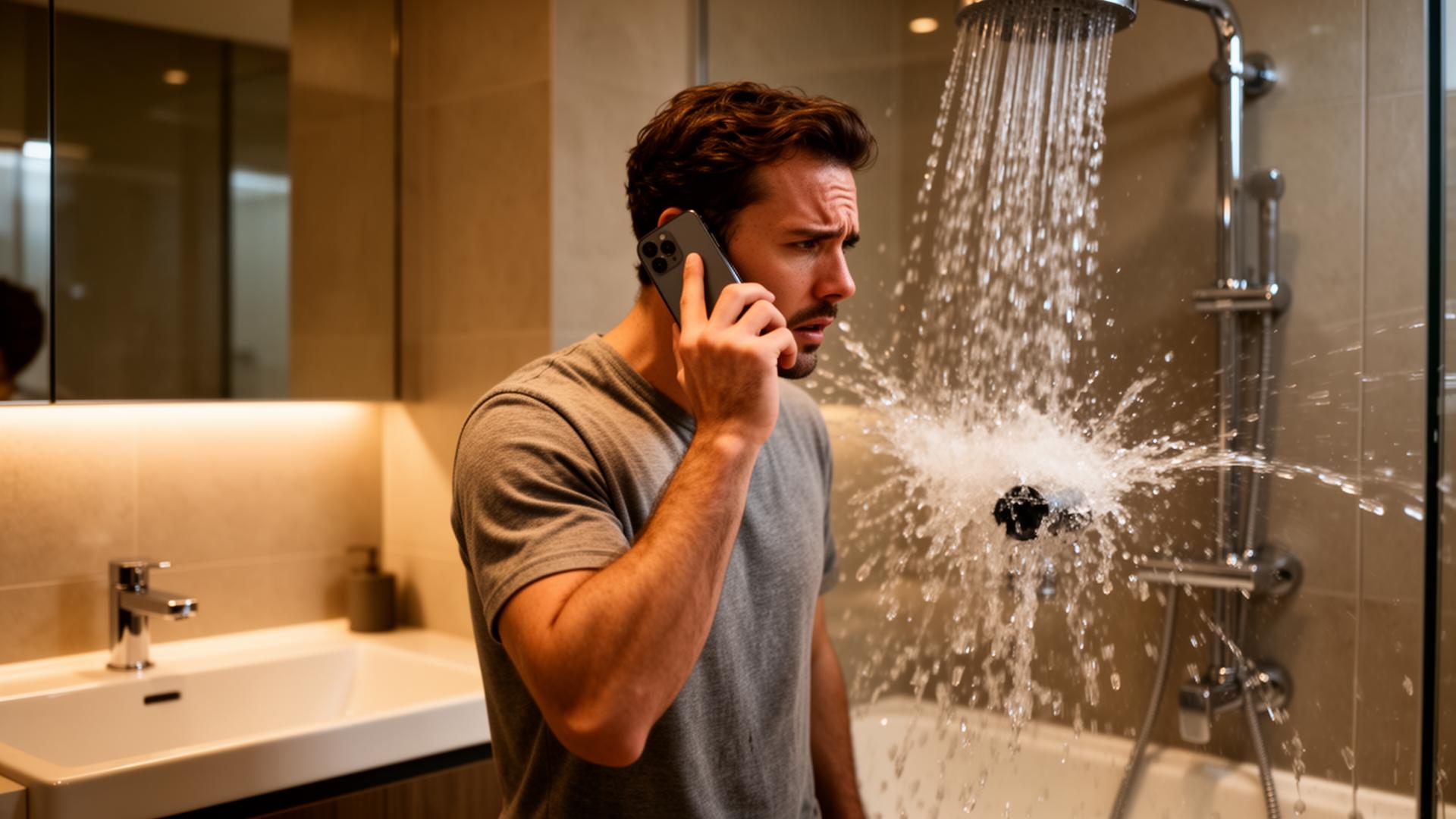
When Michael bought his Sutherland Shire home in 2020, he figured plumbing maintenance meant "call someone when something breaks." Three years later, his 12-year-old hot water system catastrophically failed on a winter Sunday — flooding his garage with 250 litres of water. Emergency replacement: $2,800. Water damage repairs: $4,500.
The plumber inspecting the failed system told him something that still haunts him: "If you'd had this serviced annually for $200, it would've lasted another 5–10 years. We could've seen this failure coming and replaced it on your schedule, not the system's."
Michael's $7,300 emergency could have been prevented with $600 in maintenance over three years. This guide gives Sydney homeowners everything needed to maintain their plumbing systems properly — monthly DIY tasks, seasonal jobs, when to call professionals, and how preventive maintenance saves thousands in emergency repairs.
Why Plumbing Maintenance Matters
Prevents Expensive Emergencies
- Annual maintenance: $200–$400
- Emergency burst pipe: $1,000–$3,000
- Water damage: $2,000–$15,000
- Insurance deductible: $500–$1,000
One prevented emergency pays for years of maintenance.
Extends System Lifespan
With proper maintenance: hot water systems last 12–15 years (vs 8–10), pipes last 50+ years (vs 30–40), fixtures last 15–20 years (vs 10–12). $200/year extends a $2,500 hot water system by 5 years — $10,000 of value created.
Saves Money Long-Term
With maintenance: $0 monthly DIY + $20 quarterly supplies + $200–$400 annual service = $220–$420/year.
Without maintenance (averaged): emergency drain clearing $400 + emergency burst pipe $800 + premature hot water replacement $500/year + fixture failures $300 = $2,000+/year.
Savings: $1,580–$1,780/year. Plus a well-maintained system passes pre-sale inspections smoothly and protects your asking price.
Monthly Plumbing Maintenance Tasks (30 Minutes Total)
These simple monthly tasks prevent 80% of common plumbing problems.
Kitchen (10–15 minutes)
Under-sink leak check: open the cabinet, inspect pipes, connections and any disposal for water stains, puddles or drips. Tighten or call a plumber if significant.
Tap operation: turn hot and cold separately. Look for drips when fully closed, steady flow without sputtering, smooth handle action and no grinding.
Sink drainage: fill the sink a quarter full and release. Should drain within 30 seconds with no gurgling. If slow, run a baking-soda/vinegar treatment.
Clean the aerator: unscrew from the tap tip, rinse out debris and mineral buildup, reassemble. Restores water pressure.
Dishwasher: inspect the door seal for cracks or food, clean the filter at the bottom, run a cycle and check underneath for moisture.
Bathroom (15–20 minutes)
Tap drips: a single drip per second = 20 litres/day = $150–$300/year wasted. Replace washers or call a plumber.
Shower/bath: install hair catchers ($5–$15) — they prevent 90% of shower clogs. Remove visible hair from drains, run the shower for 2 minutes to test drainage, and inspect caulking around the base for cracks or mould.
Toilet — silent leak test: drop food colouring in the cistern, wait 15 minutes without flushing. If colour appears in the bowl, you have a leaking flush valve seal wasting $200–$500/year. Also listen for continuous running water and check the base for moisture.
Bathroom sink: lift out the pop-up stopper monthly, clean off hair and gunk, replace. Wipe inside the overflow hole with a cloth-wrapped finger.
Laundry (5–10 minutes)
Washing machine hoses: inspect for cracks, brittleness, bulging or corrosion at connections. Replace rubber hoses every 5 years preventively ($30–$60). Check for puddles around or behind the machine.
Hot Water System (5 minutes)
Check for moisture, rust stains or pooling around the base — any of these mean call a plumber immediately. Listen for rumbling or popping (sediment buildup needing a flush). Confirm hot water reaches taps quickly at a steady 60–65°C (prevents Legionella). A small occasional drip from the pressure relief overflow pipe is normal; continuous dripping is not.
Outdoor Drains (10 minutes)
Clear leaves and debris from grates. Pour a bucket of water into each outdoor drain — it should flow quickly without backup or gurgling. After rain, look for pooling in the yard (signals blockage or drainage issue). Confirm downpipes direct water away from foundations.
Quarterly Plumbing Maintenance Tasks (1 Hour)
Natural Drain Treatment
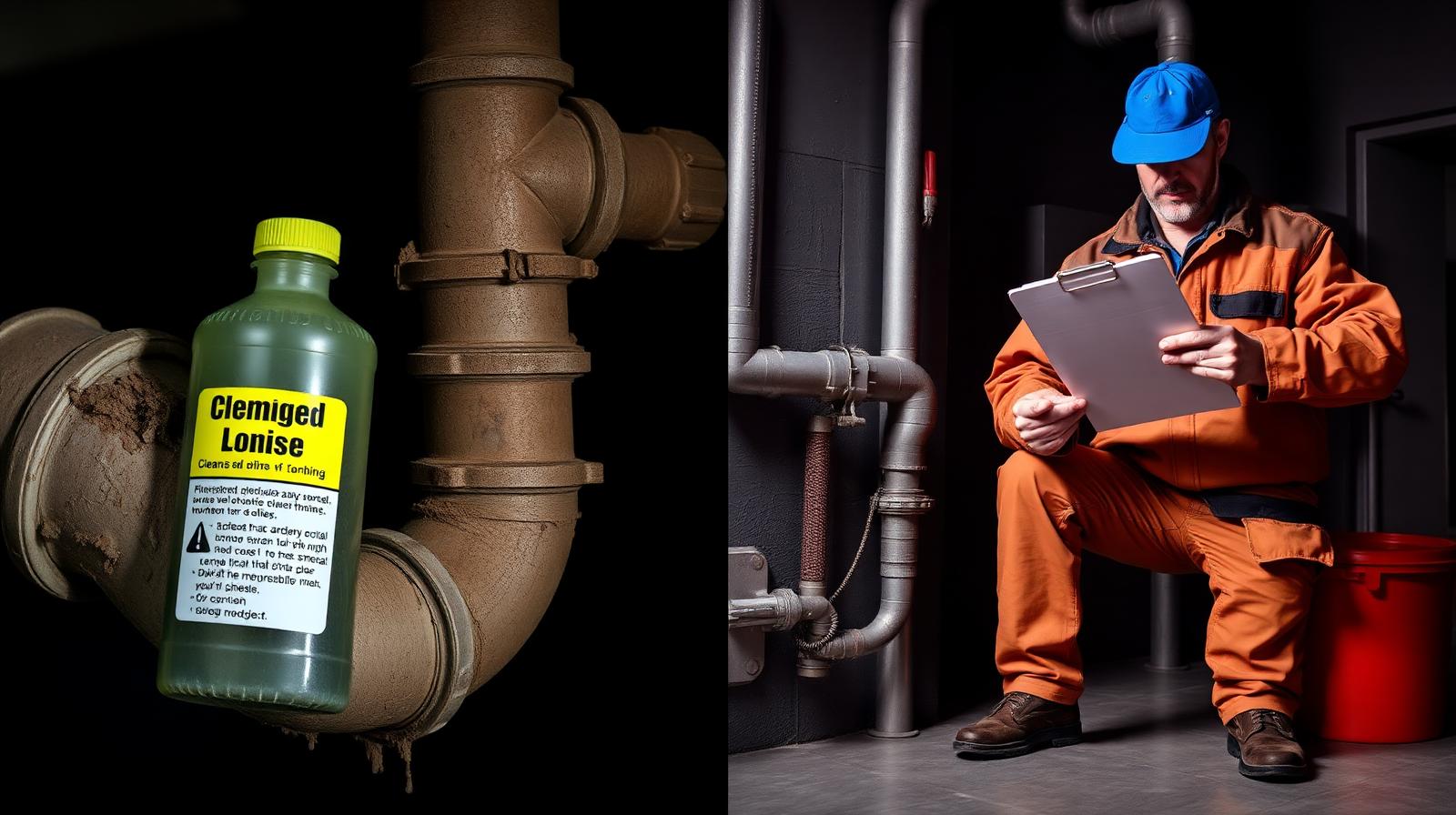
Pour ½ cup baking soda down the drain, follow with 1 cup white vinegar, let it fizz for 30 minutes, then flush with boiling water. Breaks down grease and soap scum, and is safe for pipes. Never use chemical drain cleaners — they damage pipes, rarely work, and create dangerous conditions for the plumber.
Water Pressure Testing
Turn on a bathroom tap, then open the kitchen tap simultaneously. Note any pressure drops. Test upstairs vs downstairs if multi-story. Significant drops may indicate a main line or valve issue — call a plumber for assessment.
Toilet Deep Maintenance
Repeat the food-colouring seal test. Check that the float moves freely and the water level matches the cistern's marked line. Listen for a hissing fill valve (a leak indicator).
Visible Pipe Inspection
Check under every sink, in basement/crawlspace if accessible, exposed pipes in the laundry, and the hot water cupboard. Look for corrosion (rust, green stains on copper), moisture, damaged insulation, loose supports and old water stains.
Water Meter Leak Detection
Read your meter at the same time each quarter to track usage. To find hidden leaks: turn off all water in the house, read the meter, wait 2 hours without using water, then re-read. Any change = you have a leak.
Seasonal Plumbing Maintenance
Autumn (March–May) — Pre-Winter Prep
- Clear outdoor drains and gutters of accumulated leaves before winter rain
- Service the hot water system ($150–$250) before winter demand
- Check indoor heating drains and pressure relief valves
- Fix any drips on outdoor taps before cold weather worsens them
- Hire an arborist to trim tree roots threatening sewer lines
Winter (June–August) — Monitor & Care
- Monitor hot water system performance — heaviest demand of the year
- Watch for frozen pipes on extreme nights (rare in the Shire but possible)
- Inspect under sinks more frequently — you're indoors more
- Watch outdoor drains during heavy rain for slow drainage or backups
Spring (September–November) — Deep Clean & Assess
- Comprehensive professional inspection ($180–$350) — best time of year
- Ideal time for CCTV drain inspection on homes 15+ years old
- Deep-clean every drain with hot water flushes
- Check air conditioning condensate drains before summer
- Test outdoor irrigation systems for winter damage
Summer (December–February) — Storm Prep
- Pre-storm-season professional outdoor drain clearing ($200–$400)
- Confirm outdoor drain capacity for intense summer downpours
- Pool backwash and overflow drainage check
- Monitor irrigation systems for leaks (wasted water is expensive in summer)
Annual Professional Maintenance
Hot Water System Service ($150–$250)
Professionals drain and flush the tank, check the sacrificial anode rod, test the pressure relief valve, inspect for corrosion, verify the thermostat, test heating elements (electric) or burner, gas pressure and flue (gas), and check all safety features. Gas work is illegal without a license — and DIY voids your warranty. ROI: 5+ years of extra system life ($2,500+ saved), $50–$100/year energy savings, and $2,000–$5,000 in prevented emergencies.
Comprehensive Plumbing Inspection ($180–$350)
All fixtures tested, water pressure measured throughout the home, drain function checked, pipes inspected, professional leak detection, gas appliance safety check (if applicable), hot water assessment, and a written report with findings. Recommended annually for all homes — minimum every 2–3 years, and mandatory for homes 15+ years old.
CCTV Drain Inspection ($250–$500)
A camera reveals tree root intrusion (location and severity), pipe material and diameter, cracks or collapses, corrosion, offset joints from ground movement, partial blockages, and proper pipe slope. Sutherland Shire relevance: many homes are 40–60 years old with clay pipes, mature gum trees and reactive clay soils — CCTV inspection every 2–3 years is essential.
Preventive Drain Clearing
Electric drain machine ($200–$400) or hydro jetting ($400–$900) every 1–2 years for homes with large trees or a history of blocked drains. $300 of annual clearing prevents an $800 emergency call.
DIY Maintenance vs Professional Service
Safe DIY Tasks
Visual inspections, cleaning aerators, hair removal from drains, drain strainer installation, baking soda/vinegar treatments, observation-based leak detection, dishwasher and washing machine filter cleaning, and basic cosmetic caulking.
Licensed Plumber Required
By NSW law, the following must be done by a licensed plumber: any pipe work, tap or fixture replacement, toilet repairs beyond the basics, all hot water system work, all gas appliance work, drain clearing beyond a plunger, leak repairs, fixture installation, CCTV inspection, pressure testing, backflow testing and gas safety testing.
DIY plumbing consequences: voids home insurance, illegal (fines apply), risk of major damage, can't sell without compliance certificates, no warranty if anything goes wrong.
Call a Plumber Immediately If You Find
- Active leaks anywhere
- Water pressure irregularities
- Persistent slow drainage after treatment
- Discoloured water (brown, yellow, cloudy)
- Banging, grinding or gurgling sounds
- Visible corrosion on pipes
- Any gas-related issues or sewage smells
- Water temperature problems
Small problems become big problems quickly — don't wait. For after-hours issues, call our 24/7 emergency plumber line.
Sutherland Shire–Specific Considerations
Tree Root Issues
Mature gum trees in Cronulla, Miranda, Caringbah and Gymea actively seek water. Response: CCTV inspection every 2 years, preventive root cutting if intrusion is detected, consider pipe relining for a permanent solution, and annual drain clearing.
Reactive Clay Soils
Clay soils expand and contract with moisture, causing pipe movement. Symptoms include cracked or offset pipes, recurring drain issues and seasonal drainage variation. Regular CCTV monitoring catches damage early — relining is far cheaper than full replacement.
Older Home Infrastructure
Many Shire homes from the 1960s–70s still have original galvanised steel pipes (corroding and restricting), clay sewer pipes (cracking and admitting roots) and original fixtures wearing out. Plan for gradual upgrades rather than waiting for emergency failures.
Coastal Corrosion
Proximity to the ocean accelerates pipe corrosion, fixture deterioration and hot water tank rust. Service hot water more frequently, monitor exposed pipes closely, and use corrosion-resistant materials when replacing.
Maintenance Checklist Summary
Monthly (30 min): tap drip check, drainage tests, toilet running-water check, under-sink leak inspection, hot water visual check, outdoor drain clearing.
Quarterly (1 hour): natural drain treatment, water pressure testing, toilet deep maintenance, visible pipe inspection, water meter reading.
Seasonally: autumn — clear drains, service hot water; winter — monitor performance; spring — deep clean, professional inspection; summer — storm prep, outdoor focus.
Annually (professional): hot water service $150–$250, comprehensive inspection $180–$350, CCTV drain inspection (older homes) $250–$500, preventive drain clearing $200–$400.
Conclusion: Maintenance Pays
Plumbing maintenance isn't optional — it's essential protection for one of your largest investments. The choice is simple: ignore maintenance and pay $2,000+ annually in emergencies, or invest $400–$800 annually and sleep peacefully.
Start today: do this month's checklist, schedule your annual professional inspection, and consider a maintenance program for complete peace of mind. Your plumbing system works hard every day — give it the maintenance it deserves.
Need a licensed plumber today?
Call Sutherland Shire's trusted licensed plumbers for honest advice and transparent quotes.
Call 0423 233 322
About the Author
Grace Hamilton writes for Easy Solutions Plumbing and Gas, providing expert plumbing advice for Sutherland Shire and Sydney homeowners. All technical information is reviewed by licensed plumbers to ensure accuracy.