Prevent Emergency Blocked Drains with Regular Maintenance
Picture this: It's 2am on a Sunday. You wake to the sound of water gurgling ominously from your bathroom. You rush to investigate and find water backing up from your shower drain, flooding across the tiles. Your blocked drain has just become an emergency plumbing situation, complete with potential water damage and a hefty after-hours plumber bill.
Sound like a nightmare? For many Sutherland Shire homeowners, it's an all-too-real experience. The good news? Most blocked drain emergencies are completely preventable with regular maintenance and smart habits.
In this comprehensive guide, we'll show you exactly how to prevent blocked drains through DIY maintenance, smart practices, and professional preventive services. You'll learn what causes drains to block, how to maintain them yourself, when to call professionals, and why prevention costs a fraction of emergency repairs.
Quick stat: Annual preventive drain maintenance costs $180-$350. An emergency plumber callout for a blocked drain? $300-$800+. Water damage from a major blockage? $2,000-$10,000. Prevention is always cheaper than emergency repairs.
Understanding Why Drains Block
Before we dive into prevention, let's identify the culprits behind blocked drains. Understanding what causes blockages helps you prevent them more effectively.
Kitchen Drains: The Grease Trap
Fats, Oils, and Grease (FOG): When you pour grease down the sink, it flows smoothly while hot. But as it travels through your pipes and cools, it solidifies and sticks to pipe walls. Over time, this accumulation narrows the pipe diameter and catches other debris, eventually creating complete blockages.
Food Particles: Coffee grounds, rice, pasta, and other food scraps don't break down in your pipes. They accumulate, especially when combined with grease, creating stubborn blockages.
Garbage Disposal Misuse: Fibrous foods (celery, potato peels), hard items (bones, fruit pits), and expandable foods (rice, pasta) can cause problems even with a disposal.
Bathroom Drains: Hair and Soap
Hair Accumulation: A single shower can release 50-100 hairs. Over time, hair tangles around itself and catches other debris, forming dense clogs that are surprisingly difficult to remove.
Soap Scum: Modern soaps often contain fats and oils. When these combine with minerals in Sutherland Shire's water, they create a sticky residue that accumulates on pipe walls and provides a sticky surface for hair and debris to attach to.
Personal Care Products: Dental floss, cotton buds, sanitary products, and "flushable" wipes don't break down in water and cause blockages.
Toilet Clogs: What Doesn't Belong
Toilets are designed for human waste and toilet paper only. Common culprits include:
- Excessive toilet paper (especially thick multi-ply varieties)
- "Flushable" wipes (despite the label, these don't break down)
- Sanitary products, tampons, and applicators
- Cotton buds, cotton balls, and dental floss
- Hair and foreign objects
Outdoor Drains: Nature's Challenges
Leaves and Debris: Autumn leaf fall can quickly overwhelm outdoor drains. Gum leaves are especially problematic.
Tree Roots: Perhaps the most serious cause of drain blockages in older Sutherland Shire homes. Tree roots naturally seek water sources and once they penetrate a pipe, they grow rapidly, eventually creating complete blockages or even collapsing the pipe.
Soil and Silt: After heavy rain, soil can wash into outdoor drains, especially on sloping properties.
Monthly DIY Maintenance Checklist
Preventing blocked drains doesn't require hours of work. These simple monthly tasks take about 30 minutes total and can save you thousands in emergency repairs.
Kitchen Sink Maintenance (10–15 min monthly)
- Run hot water for 30 seconds after each use
- Never pour grease, oil, or fat down the drain (let it cool, solidify, and bin it)
- Scrape plates thoroughly into the bin before rinsing
- Remove and clean the strainer basket with hot soapy water
- Pour 1/2 cup baking soda down the drain, followed by 1 cup white vinegar. Let fizz for 15 minutes, then flush with boiling water
- Open the cabinet and inspect visible pipes for leaks, corrosion, or moisture
Bathroom Drain Care (15–20 min monthly)
- Install hair catchers in showers and baths ($5–$15) and clean them every few showers
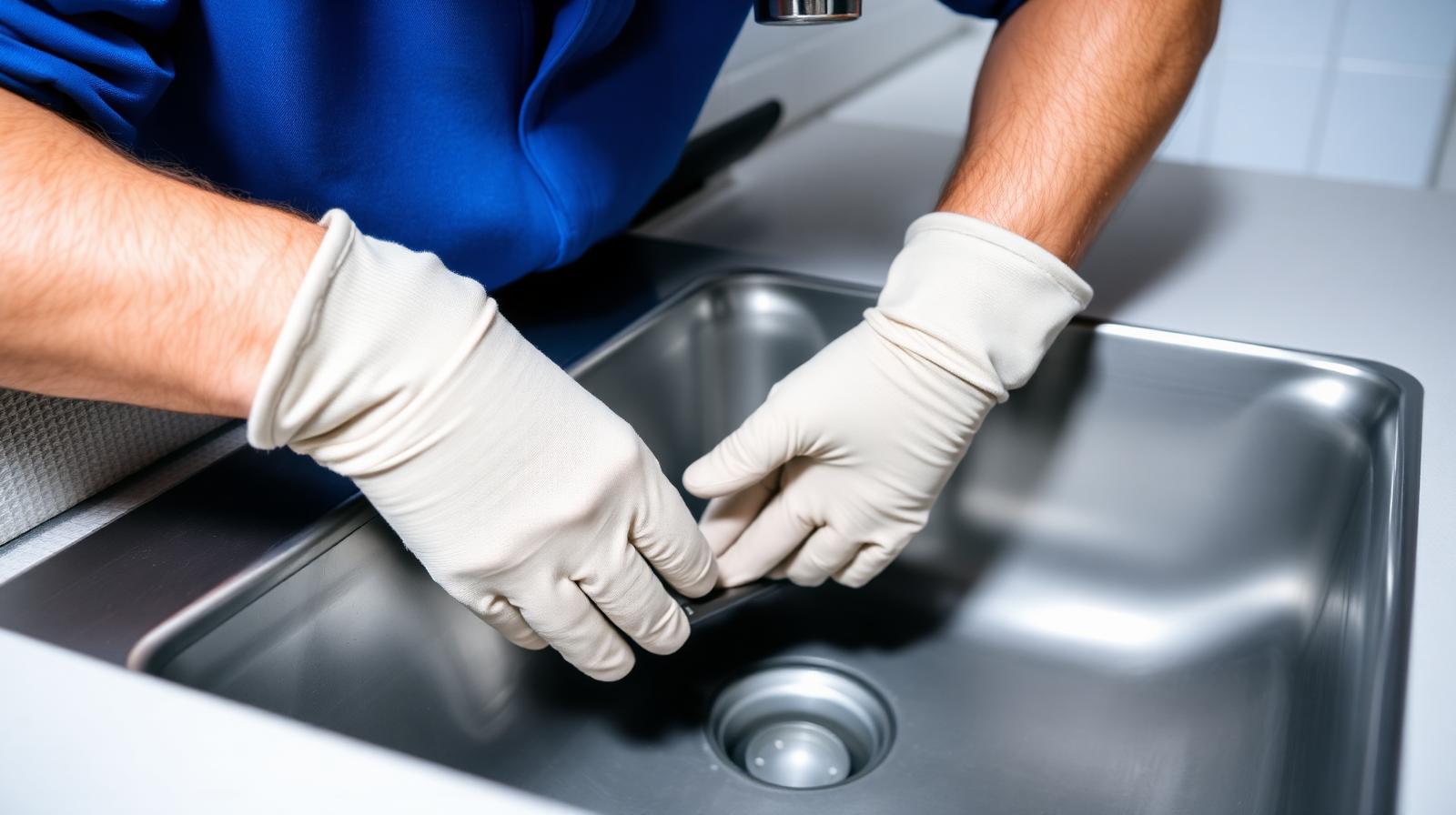
- Once monthly, remove the drain cover and pull out any visible hair
- Pour a kettle of boiling water down the drain monthly to dissolve soap scum
- Use the baking soda and vinegar method as a natural clean
- Clean the bathroom sink pop-up stopper and wipe the overflow hole
Toilet Maintenance (5–10 min monthly)
- Listen for continuously running water after a flush — indicates a leak
- Drop food coloring in the tank and wait 15 minutes; color in the bowl means a leaking flush valve
- Inspect the base for water or moisture (seal problems)
- Test that the toilet flushes completely and powerfully
Warning Signs You Need Professional Service
Slow drainage that persists
If a drain is consistently slow despite your maintenance efforts, you have a developing blockage deep in the pipes that home remedies can't reach.
Recurring clogs in the same location
Likely tree root intrusion, pipe damage or misalignment, or severe buildup. A professional CCTV camera inspection identifies the exact cause.
Multiple drains affected simultaneously
The problem is in your main sewer line — call immediately. Main sewer line blockages can cause sewage backup into your home.
Gurgling sounds, foul odors, or water backing up
All indicate venting problems, partial blockages or sewer issues that need professional inspection.
Professional Drain Maintenance Services
Hydro Jetting: The Deep Clean
High-pressure water (typically 4,000 PSI) blasted through your pipes to thoroughly clean pipe walls and remove stubborn blockages. Cost: $400–$900.
CCTV Drain Inspection
A waterproof camera inserted into your drains, transmitting real-time video of pipe interior conditions. Cost: $250–$500.
Annual Maintenance Programs
- Basic ($180/year): Annual inspection, written report, 10% discount on repairs
- Premium ($350/year): Bi-annual inspections, basic clearing included, hot water visual inspection, 15% discount
- Complete ($550/year): Quarterly inspections, annual hot water service, two clearings included, 20% discount
Cost Comparison: Prevention vs Emergency
Preventive approach: ~$1,500 over 5 years (annual inspections + occasional clearing). No emergencies, no water damage.
Ignore-it approach: $8,750+ over 5 years (Sunday emergency clearing, sewer backup, burst pipe + water damage). Plus stress and disruption.
The difference: Prevention saves $7,250 over 5 years.
Conclusion: Prevention Pays
Thirty minutes of monthly maintenance and a few hundred dollars in annual professional service prevents thousands in emergency repairs and water damage. Call 0423 233 322 to schedule your annual drain maintenance.
Need a licensed plumber today?
Call Sutherland Shire's trusted licensed plumbers for honest advice and transparent quotes.
Call 0423 233 322
About the Author
Grace Hamilton writes for Easy Solutions Plumbing and Gas, providing expert plumbing advice for Sutherland Shire and Sydney homeowners. All technical information is reviewed by licensed plumbers to ensure accuracy.